Geometric Retro Digital Papers: A Versatile Design Resource for Creative Projects
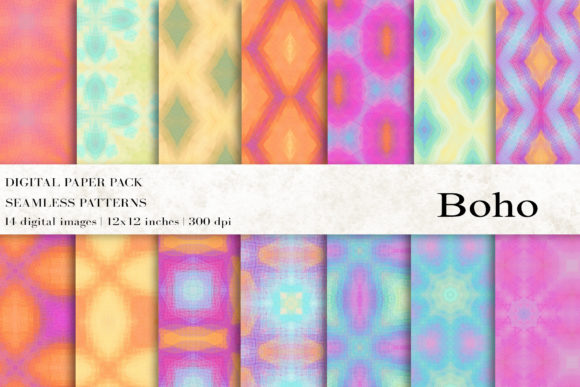
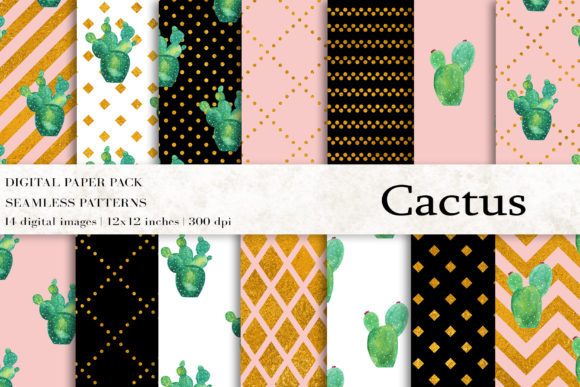
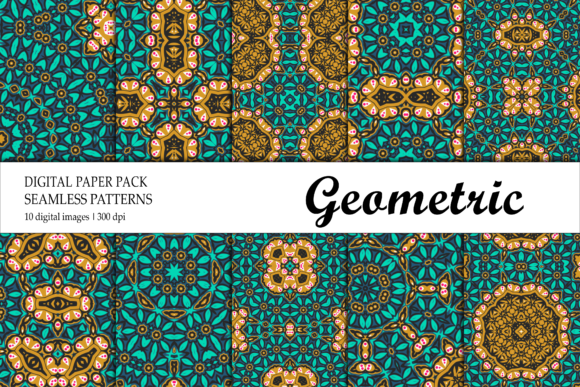
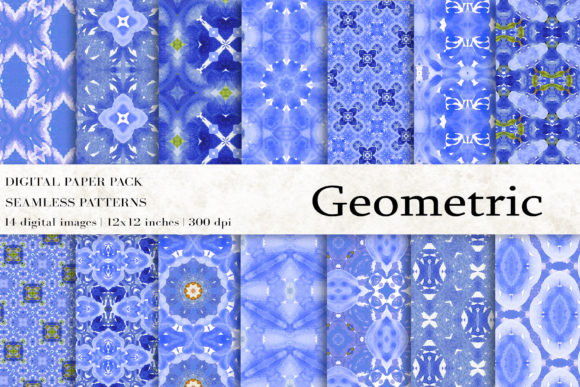
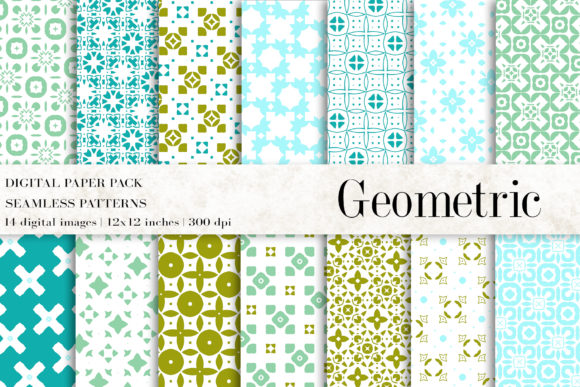
Geometric retro digital papers offer a unique blend of vintage aesthetics and modern design, making them a valuable asset for a wide range of creative applications. These digital assets feature bold shapes, intricate patterns, and nostalgic color schemes that evoke the design trends of past decades. With 14 distinct papers in a 12x12 inch, 300 dpi JPG format, this set provides high-quality visuals suitable for both personal and professional use.
What Makes Geometric Retro Digital Papers Distinct?
Unlike traditional paper stock or generic digital templates, geometric retro digital papers combine structured design elements with a retro flair. The use of clean lines, repeating motifs, and stylized typography creates a cohesive visual language that stands out from more abstract or minimalist designs. Each paper in the set is crafted to maintain clarity and detail at high resolutions, ensuring that it remains sharp when printed or used in digital projects.
The retro aspect of these papers often draws inspiration from mid-20th century design movements, such as Art Deco, Bauhaus, and Pop Art. These influences are reflected in the symmetry, balance, and vibrant color palettes found throughout the collection. This makes the set particularly appealing to designers, artists, and hobbyists who want to infuse their work with a sense of nostalgia while maintaining a contemporary edge.
Comparing Geometric Retro Digital Papers with Other Options
When considering digital paper options, it's important to evaluate how geometric retro digital papers compare to other formats and styles. Traditional paper textures, for example, may offer a more organic feel but lack the precision and scalability of digital files. Similarly, generic patterned papers might provide variety but often lack the intentional design and thematic consistency found in curated sets like this one.
In contrast, seamless patterns—often used for backgrounds or repeated elements—can be useful for certain applications, but they may not offer the same level of detail or uniqueness as individual digital papers. The geometric retro set, on the other hand, allows for more flexibility in how each paper is used, whether as a standalone element or part of a larger composition.
For those working with limited design resources, the availability of 14 distinct papers provides a broader selection than many standard digital paper packs. This can be especially beneficial for projects that require a variety of visual elements without repeating the same design multiple times.
Strengths and Tradeoffs of Using Geometric Retro Digital Papers
One of the primary strengths of this set is its versatility. The papers can be used across multiple platforms, from physical crafts to digital layouts. Their high-resolution format ensures that they remain crisp when printed, while their digital nature allows for easy editing, scaling, and layering in design software. This makes them ideal for both handmade and digital projects.
Another advantage is the ability to mix and match different papers within a single project. For instance, a scrapbook page could incorporate several papers to create visual interest without overwhelming the overall design. Similarly, a wedding invitation or business card could benefit from the distinctive look of a geometric retro paper, adding a touch of personality and style.
However, there are some tradeoffs to consider. While the set offers a good number of papers, it may not be sufficient for large-scale or long-term projects that require a wider range of options. Additionally, users who prefer more abstract or modern designs may find the retro aesthetic less appealing. It’s also worth noting that the set does not include vector files, which could limit certain types of edits or customizations.
Best Fit Situations for Geometric Retro Digital Papers
This set is particularly well-suited for individuals involved in creative hobbies such as scrapbooking, cardmaking, and handmade stationery. The papers can add depth and character to DIY projects, helping to elevate the visual appeal of handmade items. They are also useful for planners and journals, where a consistent yet varied design can enhance the user experience.
Businesses and independent creators looking to add a unique touch to their branding may also find value in these papers. For example, a boutique or artisanal shop could use them for packaging, logos, or promotional materials to create a cohesive and memorable brand identity. Similarly, event planners or party organizers could use the papers for invitations, place cards, or decorative elements that reflect a retro theme.
For educational or personal use, the papers can serve as a resource for design students or hobbyists exploring different styles. They offer a practical way to experiment with layout, color, and composition without the need for extensive graphic design skills.
When to Consider Alternatives
While geometric retro digital papers are a strong choice for many applications, there may be situations where other options are more appropriate. For instance, if a project requires a more modern or abstract design, a set of minimalist or abstract digital papers might be a better fit. Similarly, if the focus is on natural textures or organic elements, a set of handcrafted paper textures could provide a more authentic feel.
Users who need scalable vector graphics may also benefit from alternative resources, as the current set only includes raster-based JPG files. In such cases, investing in vector-based design elements could offer greater flexibility for resizing and editing without losing quality.
Additionally, those working on projects with tight deadlines or limited budgets may find that free digital paper resources or stock image sites provide a more cost-effective solution. However, it’s important to note that free options may not always meet the same standards of quality or uniqueness as professionally designed sets like this one.
Practical Applications and Realistic Examples
Consider a scenario where a designer is creating a series of wedding invitations. By incorporating a geometric retro digital paper as the background, they can achieve a stylish and timeless look that complements the overall theme. The paper’s structure and color scheme can help guide the placement of text and other design elements, resulting in a polished final product.
Another example involves a student working on a journal project. Using different papers from the set, they can create pages that reflect various moods or themes, adding visual diversity to their work. The high resolution ensures that the papers look great when printed, even if the student doesn’t have access to professional printing equipment.
For a small business owner, using these papers on packaging or marketing materials can help establish a distinctive brand presence. Whether it’s a custom logo, a label for a product, or a flyer for an event, the retro aesthetic can make the business stand out in a competitive market.
Conclusion: Choosing the Right Digital Paper for Your Needs
Geometric retro digital papers offer a compelling combination of style, quality, and versatility. Their structured design, retro influence, and high-resolution format make them a valuable tool for a wide range of creative and professional applications. However, the decision to use them should be based on the specific needs of the project and the preferences of the user.
By understanding the strengths and limitations of this set, as well as comparing it to other available options, users can make informed choices that align with their goals. Whether for personal expression, commercial use, or educational exploration, these digital papers provide a meaningful resource for those seeking to add a touch of retro-inspired design to their work.