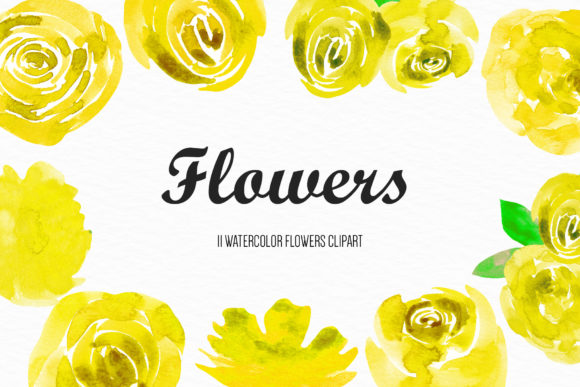
Watercolor Flower Illustration for Creative Projects
Watercolor flower illustration is a versatile art form that brings soft, delicate beauty to a wide range of creative projects. Whether you're working on a personal craft, designing for a business, or simply looking for inspiration, these illustrations offer a timeless and elegant way to add visual appeal.
The Watercolor Yellow Flower Clipart set includes 11 PNG files with transparent backgrounds, making it easy to integrate into various designs. Each image is high resolution at 300 dpi and measures 8x8 inches, ensuring clarity and detail no matter the application.
Real-World Applications of Watercolor Flower Illustrations
One of the most common uses for watercolor flower illustrations is in planner stickers. Many people use them to decorate their daily planners, adding a touch of color and creativity to their organization systems. These images can be printed and used as decorative elements, helping to make planning more enjoyable and visually engaging.
Scrapbooking is another area where watercolor flower illustrations shine. They can be used to create beautiful pages that capture memories with a soft, artistic flair. The transparent background allows for seamless integration with photos, journaling, and other embellishments, making the design process more flexible and fun.
Web designers often turn to watercolor flower illustrations for website graphics. These images can be used as headers, icons, or background elements, adding a unique and professional look to any site. Their clean lines and natural colors make them ideal for creating a calming and inviting online presence.
Uses Across Different Industries
Invitations and cardmaking are two areas where watercolor flower illustrations can make a big impact. Wedding invitations, birthday cards, and thank-you notes can all benefit from the addition of these delicate designs. The yellow flowers in this set, for example, can bring a bright and cheerful vibe to any event or message.
Craft projects also greatly benefit from watercolor flower illustrations. Whether you're making handmade greeting cards, custom fabric prints, or decorative home items, these images provide a professional and artistic touch. They can be printed onto paper, fabric, or other materials, allowing for endless creative possibilities.
For those involved in photography or photo albums, watercolor flower illustrations can serve as elegant overlays or decorative elements. They can be used to frame photos, add texture, or create a cohesive theme throughout an album. This makes them a valuable tool for anyone looking to enhance their visual storytelling.
Practical Examples and Observations
Businesses often use watercolor flower illustrations for branding and marketing materials. For instance, a boutique might incorporate these images into their business cards, letterhead, or social media posts to create a consistent and appealing brand identity. The soft, natural aesthetic of watercolor complements many types of businesses, especially those focused on wellness, lifestyle, or artisanal products.
Event planners can also find value in watercolor flower illustrations. They can be used to design invitations, table settings, or décor for weddings, parties, or corporate events. The ability to print these images in high resolution ensures that they look great in both digital and physical formats.
Fabric printing is another growing trend where watercolor flower illustrations are gaining popularity. Designers can use these images to create unique patterns for clothing, accessories, or home decor items. The transparent background allows for greater flexibility when integrating the illustrations into different designs.
Considerations When Using Watercolor Flower Illustrations
Before using watercolor flower illustrations, it's important to consider the intended purpose and audience. For example, if you're designing for a formal event, you may want to choose more subdued colors and styles. On the other hand, if you're creating something for a children's party, brighter and more playful illustrations might be more appropriate.
Another consideration is the technical requirements of your project. High-resolution images like those in this set are essential for print applications, while lower resolution might suffice for digital use. Always check the specifications to ensure the illustrations meet your needs.
Finally, think about how the illustrations will fit into your overall design. Are they meant to be the focal point, or do they need to complement other elements? Understanding the role of the illustration within your project can help you make better choices and achieve a more polished result.