Geometric Seamless Abstract Patterns: A Versatile Tool for Creative Workflows
Geometric seamless abstract patterns are a powerful resource for creators, designers, and entrepreneurs looking to enhance their visual projects. These intricate designs combine mathematical precision with artistic expression, offering a flexible foundation that can be adapted to a wide range of applications. Whether you're working on digital or physical media, these patterns provide a consistent and professional look that can elevate your work.
Understanding how to integrate geometric seamless abstract patterns into your workflow can streamline your creative process and improve the quality of your output. From initial planning to final execution, these patterns can serve as a valuable asset in various stages of your projects.
What Are Geometric Seamless Abstract Patterns?
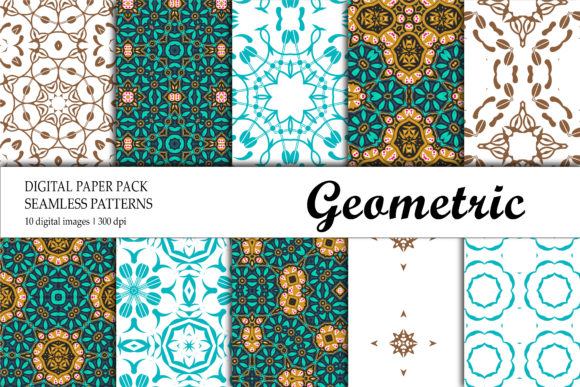
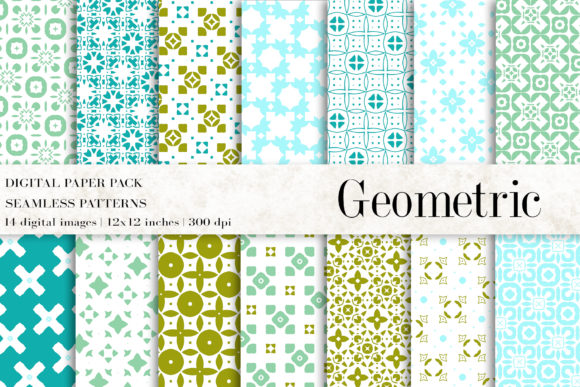
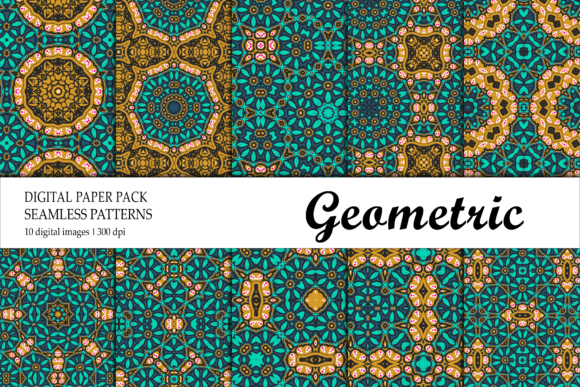
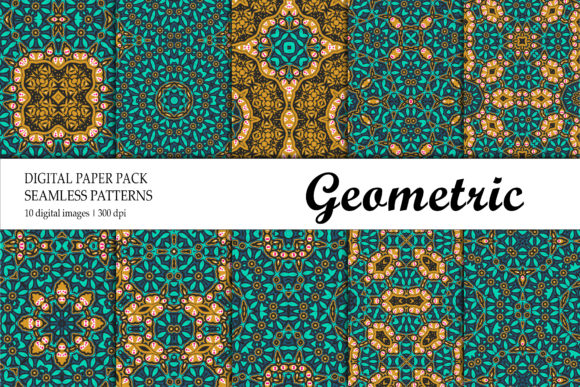
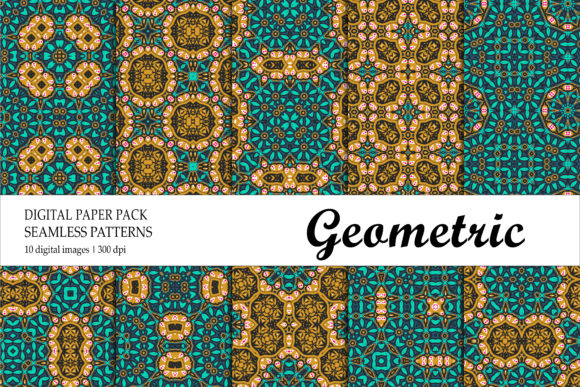
Geometric seamless abstract patterns are repeating design elements that feature shapes, lines, and forms arranged in a structured yet artistic manner. The term "seamless" refers to the way these patterns can be tiled without visible edges or breaks, making them ideal for backgrounds, textures, and decorative elements. These patterns often incorporate symmetry, proportion, and balance, which contribute to their aesthetic appeal and versatility.
Unlike traditional illustrations or photographs, geometric seamless abstract patterns are designed to be scalable and adaptable. They can be used in both digital and print formats, ensuring consistency across different platforms and mediums. This makes them particularly useful for businesses, artists, and hobbyists who need high-quality visual assets for multiple purposes.
Where Do Geometric Seamless Abstract Patterns Fit in a Workflow?
Geometric seamless abstract patterns can be integrated at various stages of a creative or business workflow. Whether you're designing a website, creating marketing materials, or working on a handmade project, these patterns can support your goals by providing a cohesive visual language.
Before starting a project, these patterns can serve as a source of inspiration or a reference for color schemes, layouts, and design elements. During the creation process, they can act as background layers, texture overlays, or decorative accents that add depth and interest to your work. After completion, they can be used to enhance the presentation of your final product, such as in packaging, branding, or promotional materials.
Using Geometric Seamless Abstract Patterns in Different Contexts
The adaptability of geometric seamless abstract patterns makes them suitable for a variety of use cases. Here are some common applications:
- Scrapbooking: Add a unique touch to your scrapbook pages with elegant, repeating designs that complement your photos and memorabilia.
- Cardmaking and Stationery: Use these patterns as backgrounds for greeting cards, business cards, or planners, adding a professional and artistic feel.
- Web Design and Digital Media: Incorporate seamless patterns into websites, social media graphics, or video backdrops for a polished and modern look.
- Printed Materials: Apply these patterns to book covers, wrapping paper, or packaging to create visually appealing and consistent designs.
- DIY Projects: Enhance handmade crafts, decorations, or home accessories with custom patterns that reflect your personal style.
How Geometric Seamless Abstract Patterns Interact With Other Tools
Geometric seamless abstract patterns work well with other design tools and resources, enhancing their functionality and flexibility. When paired with graphic design software like Adobe Photoshop, Illustrator, or Canva, these patterns can be easily edited, resized, and combined with other elements to create custom visuals.
They also complement typography, photography, and illustration by providing a consistent background or texture. For example, a geometric pattern can serve as a backdrop for a headline, helping to draw attention to the text while maintaining visual harmony. In addition, these patterns can be layered with other images or colors to create complex compositions that meet specific design requirements.
Practical Implementation Tips
To get the most out of geometric seamless abstract patterns, consider the following tips:
- Choose High-Quality Files: Ensure that the patterns you use are created at the correct resolution (e.g., 5840px x 4160px at 300 dpi) to maintain clarity when printed or scaled.
- Experiment With Color Schemes: Test different color combinations to find the best match for your project. Many patterns allow for easy customization using design software.
- Organize Your Files: Keep your pattern files organized in folders or cloud storage to streamline your workflow and avoid confusion during the design process.
- Test in Different Formats: Preview your patterns in both digital and print formats to ensure they look good across all platforms and mediums.
- Use Consistently: Apply the same pattern across multiple elements of your project to create a cohesive and professional appearance.
Workflow Examples and Observations
Integrating geometric seamless abstract patterns into your workflow can be done in several ways. For instance, if you're designing a wedding invitation, you might start by selecting a pattern that matches the theme of the event. You can then use this pattern as a background for the invitation card, adjusting the opacity or color to ensure it doesn't overpower the text.
In another scenario, a small business owner might use these patterns for packaging and branding materials. By applying the same pattern to product boxes, labels, and promotional flyers, they can create a unified brand identity that stands out in the marketplace.
For educators or content creators, geometric seamless abstract patterns can be used as visual aids in presentations, worksheets, or online courses. Their clean and structured design helps to convey information clearly while maintaining an engaging aesthetic.
Factors to Consider for Long-Term Use
When using geometric seamless abstract patterns over time, there are several factors to keep in mind. First, ensure that the patterns remain relevant to your evolving needs. As trends change, you may need to update or replace certain designs to maintain a fresh and modern look.
Second, consider the compatibility of the patterns with your existing tools and workflows. If you switch design software or platforms, verify that the patterns can be imported and used without issues. Finally, maintain a backup of your pattern files to prevent data loss and ensure that you can access them whenever needed.
By carefully selecting, organizing, and implementing geometric seamless abstract patterns, you can enhance your creative projects and streamline your workflow. These patterns offer a practical and versatile solution for anyone looking to add visual interest and professionalism to their work.